 Office of the Public Advocate
Download and print a copy of this report
What we learnt from our Healthy Discussions project
This report is in Easy Read

We explain some words. When we do this, we write the word in bold.
We also use pictures to help explain some words.
This report is about:
- things that make it hard for people with disability to have good health
- OPA’s Healthy Discussions project
- what we learnt from the project.
In this report
Message from the Public Advocate
What are barriers to good health?
What did the Healthy Discussions project do?
What did we learn from the Healthy Discussions project?
Message from the Public Advocate

I am Dan Stubbs, the Public Advocate in Victoria.
My job is to help people with disability be safe and help protect rights.
People work for me at the Office of the Public Advocate. (OPA).
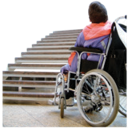
I know there are barriers that make it hard for people with disability to have good health. Barriers means things that get in the way.
Because of barriers, people with disability sometimes can not get what they need for good health.
We need to change this.
We need to take away barriers.
We need to make health care better for people with disability. Health care means things like getting help from doctors, nurses and hospitals to get better or stay well.
People with disability have this right.
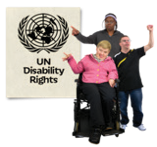
There is the United Nations Convention on the Rights of Persons with Disabilities. This has things countries have agreed to.
It says people with disability have the right to:
- have the best possible health
- good health and good health care without discrimination.
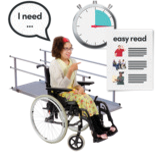
Without discrimination means people with disability should get the same good health and good health care as everyone in the community.
The Australian Government gave OPA a grant to do a project called Healthy Discussions. Grant means the government gave OPA money to do the project.
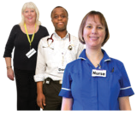
The project was to help health professionals learn new things. Health professionals means people like doctors, nurses, dentists and people who work in health.
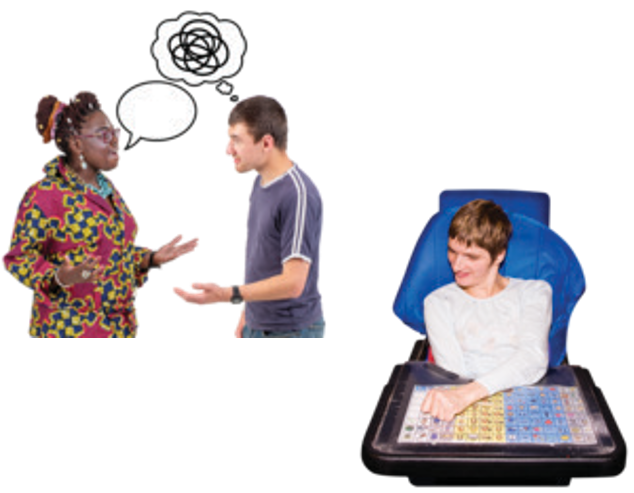
The project helped health professionals
- communicate better with people with disability. Communicate means sharing information to understand each other. For example, by talking and listening
- learn more about disability.
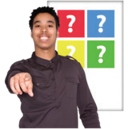
It is important health professionals know that adults
- have the right to make decisions about their own health. Decisions means choices
- should be able to get the support they need to make these decisions.

People with disability led the project. This was why the project worked well.
People with disability should help lead all projects that try to make things better for people with disability.
What are barriers to good health?

There are many barriers that make it hard for people with disability to have good health.
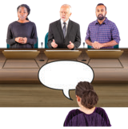
The Disability Royal Commission told us about these barriers in a report it wrote in 2023.
The Disability Royal Commission was a group of people who looked at the experiences of people with disability. Experiences are the things that happen in people’s lives.
The Australian Government asked the Disability Royal Commission to look at this.
The Disability Royal Commission found out that

- There is a big difference between how healthy people with disability are compared to the rest of the community.
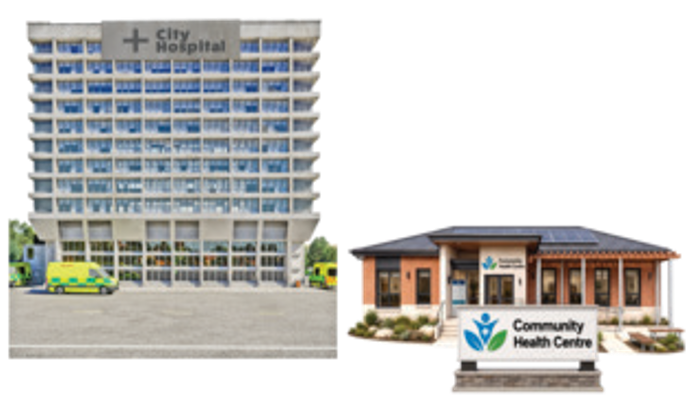
- The health system does not work well for many people with Health system means how we get health care and how the hospitals work.
- The health system works badly for people with intellectual disability.
- People with disability face many barriers which makes it hard to have the best possible health.
- Health workers don’t have good skills for helping people with disability.
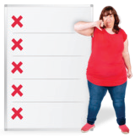
- People with disability sometimes get bad health care or no health care.
- First Nations people with disability, face more barriers to good health.
Barriers OPA and Community Visitors see
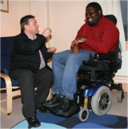
OPA has a Community Visitor volunteer program. The volunteers visit homes that people with disability share with other people with disability.
OPA and Community Visitors
- see barriers to good health
- report on things that they Report means they write down things they see
- have reported what they see for more than 30 years.
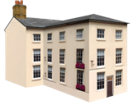
Many people with disability lived in institutions 30 years ago. Institution means a building with many rooms where people with disability lived away from the rest of the community and did not have choices and rights.
Remembering the past is important so we can check if, and how, things are getting better.
Things are better now than 30 years ago, but many barriers to good health are still the same.

Some of the barriers are health professionals who
- do not understand disability
- wrongly think people with disability can not understand or can not do things that other people can do
- think having a disability is a bad thing.
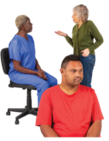
Discrimination is a barrier. People with disability may not get the same good health care as the rest of the community.
OPA and Community Visitors have seen people with disability who:
- have pain, illness or injury that is not treated
- who have health problems that are not found soon enough and they get very sick
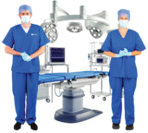
- can not get the medical treatment they need. Medical treatment is getting help from doctors and hospitals, for example medicines or surgery
- can not get the health and dental care they need
- can not get the support they need
- in hospital
- after they go home from hospital
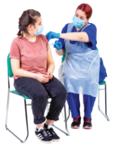
- can not get the preventative care they need. Preventative care means health care to stop people getting sick
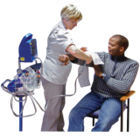
- can not get the diagnostic care they need. Diagnostic care means tests to check if a person is sick
- can not get the follow-up care they need.
Follow-up care means getting the health care a person needs, for example many visits to a doctor if they need this
- can not get the health care they need because they are poor.
OPA and Community Visitors have seen
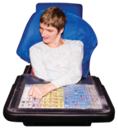
- people with communication disability face extra barriers that make it hard to get good health care
- support staff who do not:

-
- have enough training
- help people with disability get medical help quickly enough
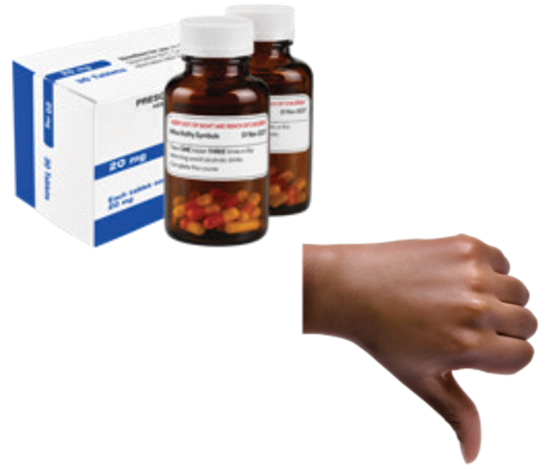
- people given the wrong medicine, and sometimes this makes people with disability get sick
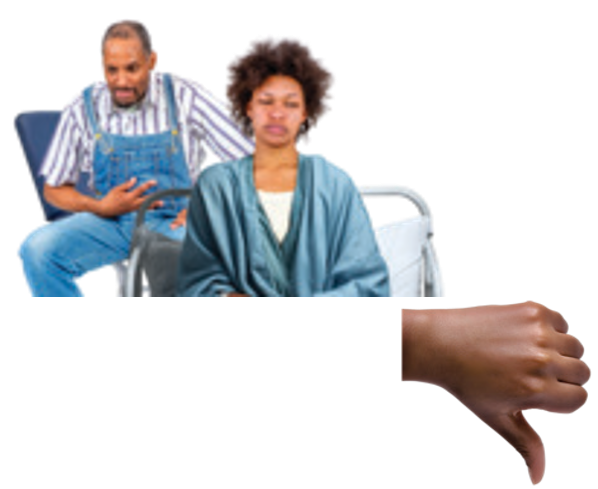
- people with disability with many health problems facing extra barriers that make it hard to get the health care they need
- people with disability miss out on health promotion. Health promotion is things to help people stay healthy.
What did the Healthy Discussions project do?
OPA did a project to help make things better.
It was called ‘Healthy Discussions: Supporting people with disability to make and communicate health decisions’. We call it Healthy Discussions for short.
The project helped health professionals
- communicate better with people with disability
- understand disability.
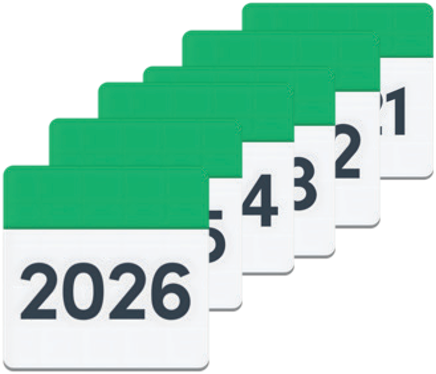
It went for 6 years. It finished on 30 June 2026.
OPA got money from the Australian Government to do the project.
People with disability led the project.
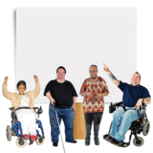
We say the heart of the project was the voice of people with disability. We mean that the most important thing about the project was that health professionals learnt from people with disability.
This was important because people with disability know what should change to make things better.
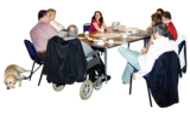
OPA’s Lived Experience Advisory Committee did important work for the project. We call this committee LEAC. The members of the LEAC are strong self-advocates. Self-advocates are people with disability who speak up and know their rights.
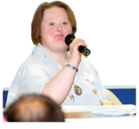
There were also project officers and a project coordinator who led the project.
There were
- people with disability who worked as the project officers
- people with disability who worked as the project coordinator.

The people who worked on the project were paid by OPA.
The project did many things.
This is a list of things the project did.
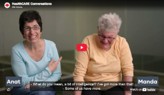
The HealthCARE Conversations video
This video has tips for health professionals to communicate better with people with disability.
It is on YouTube. There were 3,565 views of this video. It is 13 minutes long.
There is a longer video that is 55 minutes long. There were 188 views of the long video.
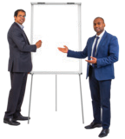
Information sessions
The project held 130 information sessions
People with disability were the presenters at 129 of the information sessions. Presenters means someone who speaks at the information session.
4,694 people went to the information sessions.
Some information sessions were online and some were in person. Online means people watched on their computer.
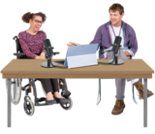
Audio interviews
We did 9 audio interviews about human rights and lived experience of disability.
The project officers led these interviews.
These are on YouTube. There have been 2,207 views of these interviews.
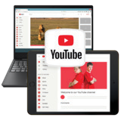
Short videos
We did 10 short videos about human rights and health care for people with disability. You can see them on YouTube.
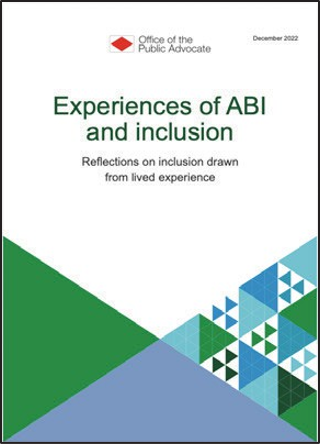
Experiences of ABI and inclusion report
The project wrote a report about lived experience of acquired brain injury, inclusion and human rights.
Inclusion means being an important part of the community.
The report was:
- led by one of the project officers
- shared with the Disability Royal Commission.
Lived experience
The project has a committee.
This committee helped with the project in many ways.
It became the OPA Lived Experience Advisory Committee and now also helps OPA with other things. We call it LEAC.
The members of the LEAC are strong self-advocates with disability.
Reinforce also helped OPA with the project by asking self-advocates for ideas. Reinforce is a self-advocacy organisation run for and by people with intellectual disability.
Module for University of Melbourne health students
The LEAC worked with the University of Melbourne to make an online module for students learning to become health professionals. Online module means something students learn on their computers.
The module helps students learn
- how to communicate well with people with disability
- about disability.
The HealthCARE Conversations video is in the module.
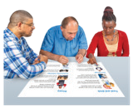
The way we made the module was co-design. Co-design means making something together.
The LEAC made the module with the Collaborative Practice Centre at the University of Melbourne.
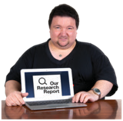
Research article about co-design
OPA and the University of Melbourne did research together. Research means finding out about something.
We made sure we did the research safely.
We found out how to do good co-design.
The research article is about how co-design can help students learn to become good health professionals.

It is in an online journal. Online journal means you can read the report on a website. The website is called The Clinical Teacher.
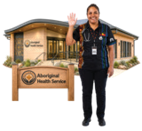
Reaching out to Aboriginal organisations
We know that there are many barriers to good health for Aboriginal people with disability.
OPA has a Aboriginal engagement officer who is an Aboriginal person. Engagement means going out and meeting and talking to people.
We found out that not many Aboriginal people knew about our project.
We wanted Aboriginal people to know about the project.
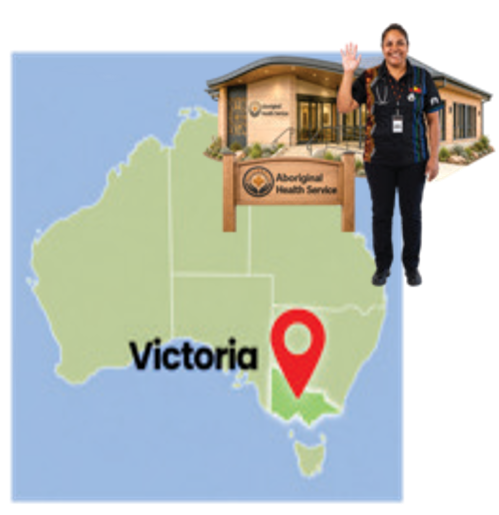
In the last year of our project, the Aboriginal engagement officer went to 23 organisations all over Victoria that are:
- Aboriginal organisations
- have services for Aboriginal people.
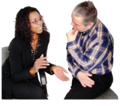
She talked about:
- OPA
- the project.
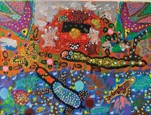
One of the members of the LEAC is a proud Aboriginal woman and an artist. She made a painting for the project.
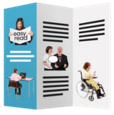
OPA put this on an information sheet about making decisions.
The information sheet tells Aboriginal people about the HealthCARE Conversations video.
What did we learn from the Healthy Discussions project?
OPA wanted to learn from the project.
We call this reflecting on the project. Reflecting means thinking about the project and what we learnt. For example, what worked well.
In Healthy Discussions, the hard work of the project coordinators led to
- working with the University of Melbourne
- more than 100 information sessions.
Reaching out to universities and health services takes time and hard work.
It was important that strong and skilled self-advocates led the project.
OPA recognises the project coordinators had lots of skills and experience. Recognise means OPA understands we needed project coordinators with these skills and experience to do the project.

We asked some of the health professionals who came to the information sessions what they thought.
Many said that it was important to hear
- from people with disability
- a story from a person from a person with disability. A story helps health professionals understand the experience of someone with disability.
We asked people with disability what they thought.
To do this
- a person with disability lead focus groups. Focus groups are meetings to hear people’s ideas. She led focus groups with
-
- the OPA LEAC
- self-advocates who are not part of the LEAC.
- asked one of the project coordinators what she thought about the project.
This is what we learnt.
Disability-led education for health professionals is important
People with disability told us that people with disability should lead education for health professionals.
This was the strongest message we heard.
We heard that people with disability should be recognised as experts in their own lives. Experts means people who know a lot about something.
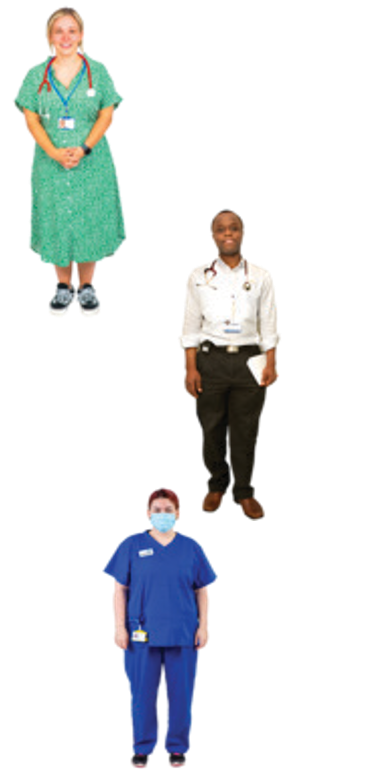 People with disability told us
- Health professionals need better disability education.
- This education should be led by people with disability.
- All health professionals should do disability communication training before they work with people with disability.
- The education should be for doctors, nurses, dentists, and other health professionals.
- Self-advocates should be supported and trained to educate health professionals.
- Education of health professionals should be ongoing. It should not be a project that ends.
- Health professionals need to keep learning, not just one education session.
- Health professionals should learn about the social model of disability. The social model of disability means people are disabled by barriers in the community.
- People with disability who go to health professionals should not have to educate them about disability.
- Health professionals should get ongoing, disability-led education. This way health professionals will:
- communicate well
- help people make their own decisions
- understand disability
- treat everyone with respect.
Challenging assumptions
We heard that it is important to challenge assumptions. Assumptions means when people are very sure about something, but is likely to be wrong. For example, a wrong assumption is when health professionals think people with disability can not make decisions about their health.
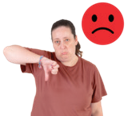
When we challenge assumptions we show why it is wrong to think that.
People with disability told us

- Labels can mean health professionals make wrong assumptions. A label is a word used to explain something. For example, ‘disability’ is a label. If people do not understand disability, they may make wrong assumptions about what it is like to have a disability.
- Health professionals and others do not always know that they are making assumptions.
- Disability is often wrongly seen as something that is not good to have.

- People may not understand that people with disability are proud of who they are. They may not know about disability culture.
- Sometimes health professionals do not find the health problems that people with disability have. They may see the disability and not see the health problem.
- Health professionals need to think about the assumptions they mske. They need to see the person and not the disability.
Respectful, person-centred communication
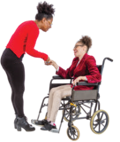
We heard that it is important
- health professionals treat people with respect. Respect means treating people well, listening to what people want and their choices
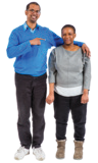
- health professionals use person-centred communication. Person-centred communication means taking time, listening to what the person with disability wants and needs, and supporting them to make their own choices.
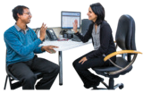
People with disability told us:
- Health professionals should:
- speak directly to the person, not their support worker or carer.
- understand the role of carers and support workers and should not leave out the person
- treat people with disability with respect
- develop rapport with people with disability. Develop rapport means building trust and connection with a person
- understand there are different ways to communicate
- find out how people want to communicate.
- The way that health professionals communicate should not be condescending. Condescending means things like talking to someone like they are a child when they are an adult, and making someone feel like they are not important.
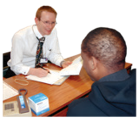
- People may want privacy when they talk to a doctor and may not want a support worker with them
- Some people feel scared by doctors and need to know they can speak up.
- Going to a new doctor or hospital can be stressful and scary.
Accessibility and Easy Read Information
We heard that accessibility is important. Accessibility means making information, places and services easy for everyone to understand and use.
People with disability told us
- Information should be available in Easy Read
- Health information should be co-designed with people with disability.
- Everyone should be able to get health information they understand.
- Accessibility should not just be in health It should be everywhere in the community.
Learn about lived experience of disability and human rights
We heard that it is important health professionals learn about lived experience of disability and human rights.
Disability should be understood as part of human diversity. Diversity means we are all different from each other. Diversity is good because we can learn from each other.
People with disability told us
- disability is part of identity and community
- disability culture and disability pride are often not understood
- health professionals often think about disability as a medical problem to be fixed
- people with disability should be feel empowered to advocate for what they want and Empowered means feeling strong and confident
- everyone should learn about lived experience of disability and human rights.
Take away barriers in the health system
We heard there are lots of barriers in the health system. These barriers mean it can be hard for people with disability to get good health care.
People with disability told us
- If you can not get bulk billing it is hard for many people to go to the doctor. Bulk billing is when it is free to go to the doctor
- It can be hard to get long doctor appointments. People often need these, for example when they have more than one health problem.
- In some places it can be hard to get doctor appointments.
- It can take months or years to find medical specialists who understand disability. Medical specialists are doctors who know a lot about some illnesses or some parts of the body.
- If health professionals retire or move it can be hard to find a new health professional who understands disability.
- People with disability may need to see lots of different health professionals and may need to say the same thing over and over again.
- It can be hard to get follow-up appointments.
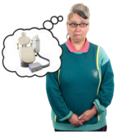
- People may be worried and overwhelmed after appointments. Being overwhelmed means feeling like there is too much going on.
- If people miss follow-up appointments, people may get very sick.
- If people see different doctors or go to different hospitals they may not have the sameinformation.
See the person, not the disability
We heard health professionals must see the person and help with the person’s health needs.
Sometimes health professionals see the disability and do not see the person.
People with disability told us:
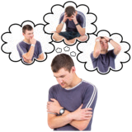
- Many people have more than one health problem.
- Preventative care can be missed.
- Doctors may know more about physical disability. They may not know much about invisible Invisible disabilities are disabilities that you can not see.
- Assumptions about disability can get in the way of preventative care.
Social change
We heard that we need social change. Social change means changing the way we treat each other in the community.
We need people with disability to be included in the community.
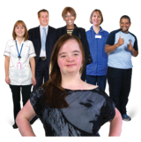
People with disability told us
- Lawyers, community members and other professionals also need to
- learn about disability
- treat people with disability with respect
- The community needs education about communicating with people with disability.
- Support for disability advocacy and self-advocacy is important. This includes money for this.
- People with disability should help lead social change.
Conclusion
From the Healthy Discussions project, we learnt that
- Healthy Discussions was successful because it was led by strong self-advocates who are people with disability. Successful means the project worked well.
- It takes a lot of time and work for a project like Healthy Discussions to be successful.
- People with disability have the right to have the best possible health without discrimination and to make sure this happens, it is important people with disability help lead change.
- Co-design can work well. In Healthy Discussions OPA did co-design with the University of Melbourne.
- Projects like Healthy Discussions should be led by people with disability.
- Disability-led education for health professionals is important and should be ongoing.
- Health professionals should learn about
- lived experience of disability
- human rights.
- This education needs to challenge assumptions about people with disability.
- Health professionals need to:
- have the skills for respectful, person-centred communication
- see the person and not the disability.
- Health services and health information need to be accessible.
- There are many barriers in the health system that we need to take away.
- We need social change.
- People with disability should help lead all projects that aim to make things better for people with disability.
- We should recognise the expertise and skills of strong self-advocates.
- We should pay people with disability with these skills to do important work to make our society better and more inclusive.
More information
The OPA website has more information about the project and Community Visitors.
Images in this report were made with Photosymbols

